

Contact
We will contact you as soon as possible.
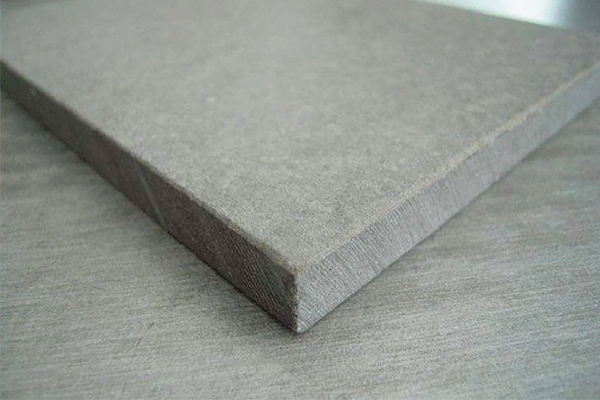
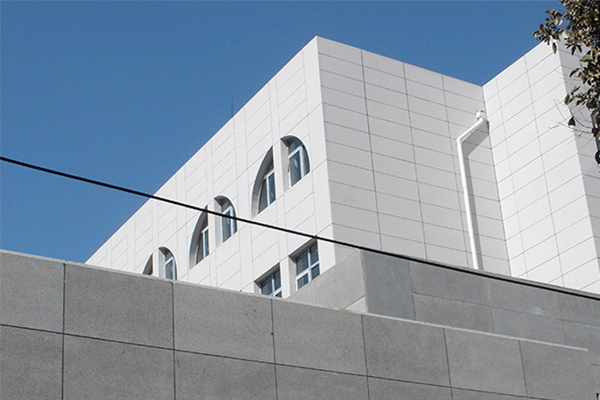


The coating process for fiber cement board and calcium silicate board comprises six essential elements: Process, Substrate, Paint, Equipment, Personnel, and Environment. These factors are interdependent, and the absence or inadequacy of any one element can compromise the quality of the final product.
1. Process
2. Substrate
3. Paint
4. Equipment
5. Personnel
6. Environment
The coating process determines the finish, application method, and overall product quality. It is the foremost factor to consider in any coating solution. A well-designed process can enhance even a mediocre substrate, while a poorly planned one may undermine high-quality materials. Essentially, process refers to the sequence of coating steps and the associated technical specifications. Many focus solely on equipment and paint selection, neglecting process design—only to later face repeated adjustments, increased costs, and project delays due to procedural mismatches.
The substrate serves as the foundation for the coating. Both calcium silicate board and fiber cement board are available in varying densities, surface flatness, and overall quality. The characteristics of the substrate directly influence the choice of coating process and equipment.
Coatings—commonly categorized into UV-cured, water-based, and fluorocarbon paints—each require specific application methods and drying techniques. For example, UV coatings cure under light, while water-based and fluorocarbon paints typically dry via hot air. Differences in resin quality, formulation, and manufacturing standards mean that even the same type of paint can perform differently, necessitating adjustments in equipment and process parameters. Factors such as solid content and resin composition also affect final film thickness and appearance.
Coating equipment must be stable, durable, and easy to maintain. Equally important is its applicability—how well it suits the specific substrate and paint being used. Key considerations include energy efficiency, production capacity, operational safety, and precision. For instance, imported high-precision coating lines may require substrates with tolerances under 0.05mm, which can be challenging for some locally produced boards to meet.
Operators are the flexible and adaptive element in the coating process. Skilled technicians can troubleshoot issues, optimize machine performance, and ensure consistent output. Given the industry-wide shortage of experienced professionals, companies should invest in training core technical staff capable of operating and maintaining equipment, as well as resolving production challenges proactively.
Ambient temperature and humidity directly affect paint formulation and equipment configuration—such as the heating requirements for roller-coating steel cylinders. Regional conditions, including salinity, pH levels, and moisture, can also impact board performance. Prolonged cold in northern climates and extended heat in the south necessitate adjustments in both substrate treatment and coating materials to ensure consistent quality.
Anhui huachengxing building materials technology co., LTD. ©️ disclaimer ICP17001972号
design by:www.ibw.cn

