
Contact
We will contact you as soon as possible.
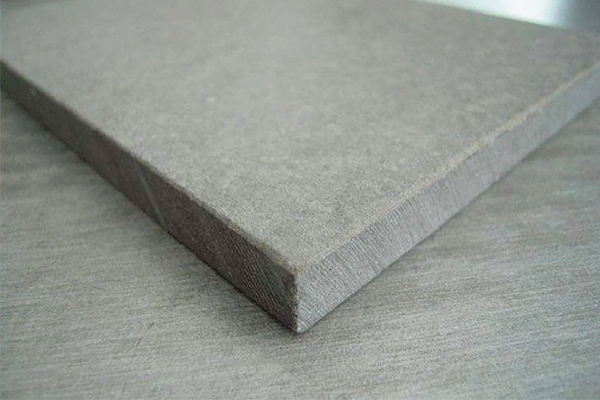
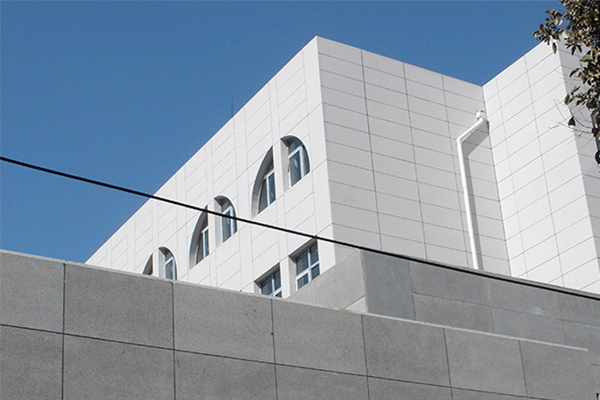
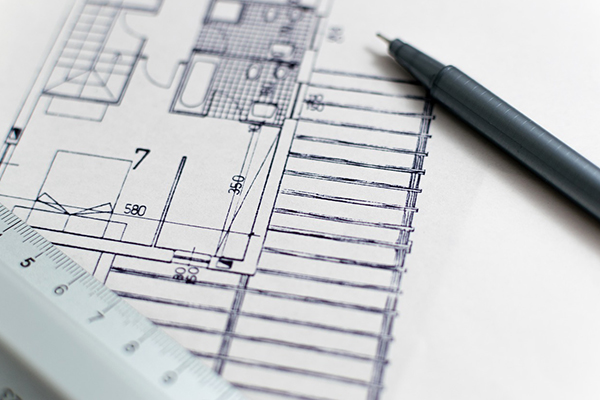


Fiber cement coated board utilizes high-density fiber cement board as its base material, composed of Portland cement, natural plant fibers, selected quartz sand, and other quality components. Through processes of pressurization and autoclave curing, the board achieves outstanding durability, remaining resistant to rain damage, fire, corrosion, termites, salt, air pollution, gases, steam, and sunlight. Its physical properties are unaffected by temperature variations, and the board contains zero formaldehyde, benzene, or other harmful substances. The surface is finished with multiple functional layers—including waterproof, weather-resistant, decorative, and wear-resistant coatings—ensuring stable, long-lasting color.
Physical Properties
Density: >1.5 g/cm³
Dry shrinkage: ≤0.05%
Screw pull-out resistance: ≥90 N/mm
Impact strength: ≥20 kJ/m²
100% asbestos-free
Fire rating: Class A non-combustible material
Radioactivity: Class A compliant
Product Features
Natural Warmth & Humanized Feel
Unlike the cold impression of stone, metal, or glass, this board offers a warm, natural aesthetic with a skin-friendly texture—creating a welcoming architectural atmosphere.
Design Versatility
Available in a wide variety of colors and patterns, it inspires creativity and allows natural light and shadow to be beautifully expressed in architectural design.
Thermal Stability
Exhibits minimal expansion and contraction under extreme temperatures, making it ideal for outdoor use in regions with significant climate variations.
Weather & Moisture Resistance
Exceptional weather resistance ensures decades of reliable performance. Low dry shrinkage, low water absorption, and impermeability suit humid and wet environments.
Durable & Easy Maintenance
Tough, smooth surface resists scratching, repels dust, and is easy to clean, maintaining a fresh appearance over time with minimal upkeep.
Chemical Inertness
Highly resistant to acids, alkalis, and corrosive environments, ensuring long-term stability.
Fire Safety
Composed of inorganic, non-combustible materials, it helps inhibit flame spread and reduces smoke emission.
Installation Efficiency
Easy to cut, process, and install, facilitating faster construction. Once installed, it is immediately ready for use without odors or emissions.
Applications
New and existing building curtain walls, exterior wall systems, and other outdoor applications
High-cleanliness environments: operating rooms, cleanrooms, pharmaceutical and food production workshops (walls and ceilings)
Subways, stations, tunnels, and other underground infrastructure
Production Technology for Fiber Cement Coated Board
Process Design
The coating process is fundamental to achieving the desired finish, performance, and quality. Proper sequencing and technical parameters are crucial—overlooking process design can lead to costly adjustments later.
Substrate Quality
Substrates such as calcium silicate board and fiber cement board vary in density, flatness, and overall quality. Substrate characteristics directly influence coating methods and equipment selection.
Coating Materials
Coatings used in the industry include UV-cured, water-based, and fluorocarbon paints. Each type requires specific application and drying methods (e.g., UV curing vs. hot-air drying). Resin quality and formulation also affect performance, influencing film thickness and equipment requirements.
Equipment Selection
Coating equipment must be stable, durable, and easy to maintain, while also being compatible with the substrate and coating material. Factors such as precision, energy consumption, output, and safety must be considered to ensure efficient production.
Operator Expertise
Skilled operators are essential for handling process variables, optimizing equipment performance, and troubleshooting issues. Training core technical personnel supports both operational excellence and maintenance.
Environmental Factors
Temperature, humidity, and environmental conditions (e.g., salinity, pH, moisture levels) affect coating formulation and equipment setup. Regional climate differences—such as prolonged cold or heat—may necessitate adjustments in materials and processes.
Anhui huachengxing building materials technology co., LTD. ©️ disclaimer ICP17001972号
design by:www.ibw.cn

