

Contact
We will contact you as soon as possible.


Introduction
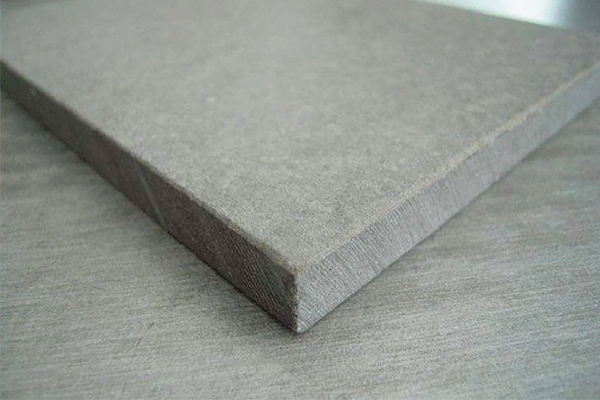
Calcium silicate board, fully known as fiber-reinforced calcium silicate board, is manufactured through a high-temperature, high-pressure biochemical reaction between siliceous and calcareous materials. This process produces calcium silicate dominated by tobermorite crystals. The typical raw materials include quartz sand (silica source), cement and lime (calcium sources), and cellulose fiber as reinforcement.
The content of tobermorite crystals is influenced by the raw material composition and ratios. Higher silicon and calcium content generally leads to more tobermorite formation, resulting in better physical properties of the final product.
Advantages of Calcium Silicate Board
Excellent Fire Resistance
Class A non-combustible material. In case of fire, it does not burn or emit toxic smoke.
Superior Waterproof Performance
Highly resistant to moisture, maintaining structural stability in high-humidity areas such as bathrooms without swelling or deformation.
High Strength
Durable and reliable, resistant to damage and breakage.
Good Thermal and Acoustic Insulation
Provides effective thermal insulation and soundproofing.
Long Service Life
Stable performance, resistant to acid, alkali, corrosion, moisture, insects, and pests, ensuring long-term durability.
Disadvantages of Calcium Silicate Board
Difficult to Modify After Installation
Once installed, it is challenging to alter or replace partitions made from calcium silicate board.
Installation Complexity and Cost
Typically requires metal framing, making installation more labor-intensive and costly compared to some alternatives.
Applications of Calcium Silicate Board
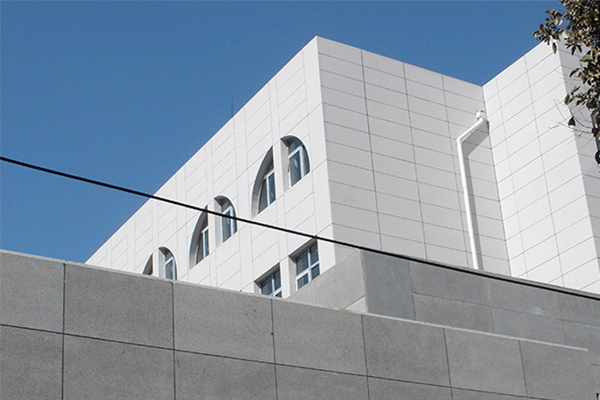
Interior Applications: Ceilings, partition walls, home decoration, furniture lining, billboard backing, ship bulkheads, warehouse panels, raised floors, and tunnel linings.
Commercial and Public Spaces: Shopping malls, hotels, entertainment venues, hospitals, theaters, train stations, and subway stations.
Industrial Uses: Factory and warehouse buildings, road sound barriers, ventilation ducts, and industrial panels.
Specialized Functions: Sound-absorbing walls and ceilings, cast walls, and composite wall panels.
Anhui huachengxing building materials technology co., LTD. ©️ disclaimer ICP17001972号
design by:www.ibw.cn

