

Contact
We will contact you as soon as possible.
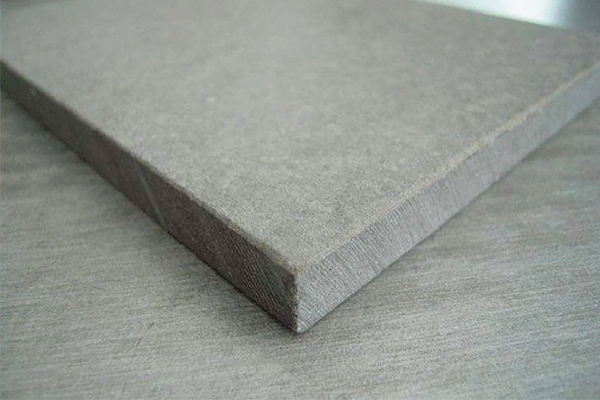




The future of the cement industry remains a topic of long-term exploration. Cement holds critical importance in today's architectural development; however, due to various factors, overcapacity in cement products may periodically emerge. Influenced by national real estate regulations and a series of new policy requirements, the demand for cement-based products such as cement fiberboard faces ongoing adjustments. Below, we examine the prospects and strategic considerations for cement products.
Future Outlook for the Cement Industry
1. An Impending Downturn
The current cycle of infrastructure and real estate construction, which began in the second half of 2018, is approaching an inflection point and is expected to accelerate its decline. Although policy support may resume by the end of 2018, construction activities will likely remain concentrated in selected metropolitan areas. A sharp drop in cement sales may begin around 2020, with more significant impacts in Northeast, Northwest, North China, and parts of Southwest China. Regions such as the middle and lower reaches of the Yangtze River and the Pearl River Delta may experience a lag of three to five years.
2. Ongoing Capacity Reduction and Devaluation
Capacity reduction is inevitable, but methods such as staggered production and industry consolidation must be carefully implemented to avoid missteps.
Staggered production has played a significant role in stabilizing cement industry profits and providing breathing room for specialized products like cement fiberboard. While some argue that such measures hinder technological advancement and sustain outdated capacity, reaching a consensus on staggered production remains challenging—especially in a fragmented industry. Major cement producers recognize that coordinated production controls, despite not being legally binding, offer more benefits than cutthroat competition. Small and medium-sized enterprises also understand that staggered production is a necessary short-term measure; reckless expansion would be unsustainable.
Mergers and acquisitions can enhance industry concentration, reduce恶性竞争, and improve the overall industrial ecosystem. With unified asset management, implementing staggered production and capacity reduction becomes more feasible. Large groups may phase out less efficient production lines, while companies with numerous small-scale lines can optimize operations through upgrades and efficiency improvements.
It is projected that within a decade, the top three provinces will account for over 80% of cement fiberboard production, and the national top ten enterprises will hold a similar share, leading to greater industry stability.
3. The Decline of Self-Centered Enterprises
Companies that prioritize their own interests at the expense of industry cooperation are likely to fade away. Cement, as a commodity with limited delivery range, faces challenges when producers in oversupplied regions attempt to sell over long distances—often triggering retaliation and destabilizing local markets.
Leading cement companies in each region should focus on maintaining balanced supply and demand through staggered production, thereby safeguarding their operational stability. Like maintaining a secure base in military strategy, a stable regional position enables sustainable expansion. Enterprises that remain solely self-focused will inevitably struggle to survive.
4. Cross-Provincial Coordination in Staggered Production
When only one province implements staggered production, neighboring regions may increase supply into that market, undermining the policy’s effectiveness. Dumping cement at low prices can force adjacent regions to abandon their own production controls, resulting in losses for all.
As staggered production matures, neighboring provinces are expected to align their policies, reinforcing price stability and creating positive ripple effects. Waste-utilization production lines, often excluded from staggered production, should also be subject to regulated load reduction standards to ensure fair and effective implementation.
Conclusion
Based on the above analysis, the cement industry must gradually adopt intelligent production equipment to reduce operating costs and enhance productivity. Strategic mergers and acquisitions will also be crucial. While the overall market outlook remains optimistic, cement fiberboard—as a key building material—must align closely with industry trends and maintain high quality standards. Through careful market regulation and adaptation to the construction economy, cement fiberboard is poised to expand in commercial applications. In summary, the future of the cement market holds promising potential, provided that enterprises navigate the path forward with prudence and foresight.
Anhui huachengxing building materials technology co., LTD. ©️ disclaimer ICP17001972号
design by:www.ibw.cn

