

Contact
We will contact you as soon as possible.
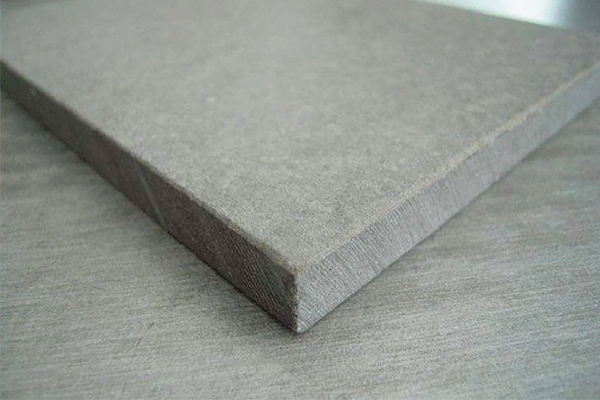
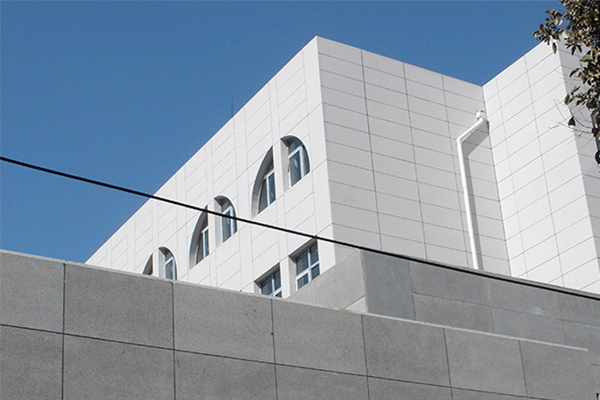


Fiber cement board, calcium silicate board, and glass magnesium board are widely used in modern construction. But what exactly distinguishes these materials? Below, we explore their key characteristics and differences.
Fiber Cement Board
Composition: Formed by molding and cured using steam or high-pressure steam.
Application Scope:
Low-density boards: Suitable only for areas not exposed to direct sunlight, rain, or snow.
Medium-density boards: Can be used in areas that may be exposed to direct sunlight and rain, but generally not recommended for freezing conditions.
High-density boards: Suitable for areas exposed to direct sunlight, rain, and snow.
Calcium Silicate Board
Composition: Manufactured through processes including pulping, forming, steam curing, and surface sanding.
Application Scope: Widely used in building partition walls, especially suitable for high-rise and super high-rise constructions. Also appropriate for humid environments such as bathrooms and kitchens (provided the wall surface is covered with tiles or waterproof paint).
Glass Magnesium Board
Composition: A new type of non-combustible decorative material made from a ternary system of magnesium oxide, magnesium chloride, and water, modified with additives to ensure stability. It is reinforced with an alkaline-resistant glass fiber mesh and filled with lightweight materials.
Application Scope: Primarily used for interior decoration, such as wall panels and ceiling systems.
Materials: Reinforced with organic synthetic fibers, inorganic mineral fibers, or cellulose fibers. The binding material consists of cement or a mix of cement with siliceous and calcareous materials (the total amount of siliceous and calcareous materials must not exceed 80% of the total binder content).
Materials: Reinforced with organic synthetic fibers, inorganic mineral fibers, or cellulose. The binder consists of cement mixed with siliceous and calcareous materials (where the total amount of siliceous and calcareous materials exceeds 80% of the total binder content).

Differences Between Fiber Cement Board and Calcium Silicate Board:
Raw Materials: The primary difference lies in cement content. Calcium silicate boards use less cement, substituting it with hydrated lime and fly ash. In contrast, fiber cement boards are predominantly made from Portland cement.
Density and Strength: Fiber cement boards are denser, stronger, and have a longer service life. These properties make them particularly advantageous for exterior wall applications.
Performance: Fiber cement boards demonstrate superior performance in areas such as expansion rate, water absorption, and strength, giving them a broader range of applications compared to calcium silicate boards.
Differences Between Fiber Cement Board and Glass Magnesium Board:
Raw Materials: Glass magnesium boards are made from magnesium oxide and magnesium chloride through a chemical reaction, resulting in a monolithic material. Fiber cement boards are produced via a physical reaction, combining cement and sand aggregates.
Color: Glass magnesium boards are typically milky white, reflecting the natural color of magnesium oxide and magnesium chloride, while cement boards display the darker gray of cement.
Density: The density of glass magnesium boards ranges from 0.9 to 1.3 g/cm³, classifying them as lightweight fire-resistant panels. In contrast, fiber cement boards have a density above 1.5 g/cm³, making them heavier building materials.
Flexibility: Glass magnesium boards can be bent to a diameter of 30 cm without compromising their physical properties, whereas fiber cement boards are brittle and prone to cracking.
Corrosiveness: Glass magnesium boards contain free chloride ions, which can corrode steel and metals. Fiber cement boards do not pose this risk.
Post-Processing: Glass magnesium boards can be further processed through methods such as hot-pressing with melamine paper, cold-pressing with fire-resistant veneers, or technical wood finishes. Fiber cement boards offer fewer options for such secondary processing.
Anhui huachengxing building materials technology co., LTD. ©️ disclaimer ICP17001972号
design by:www.ibw.cn

