

Contact
We will contact you as soon as possible.


I. Introduction to Integral Panels
(1) Overview of Integral Panels
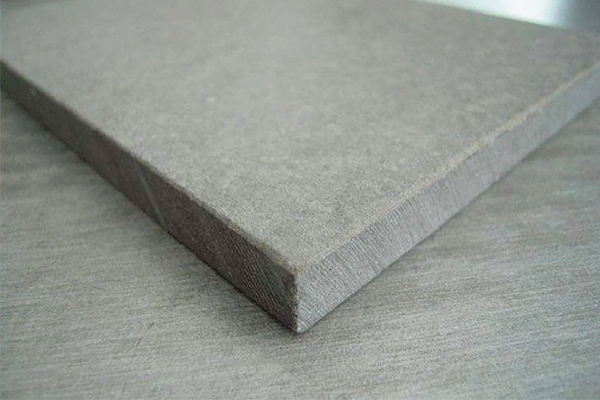
Integral panels are professional fire-resistant boards manufactured through advanced production processes, including molding, pressing, and steam curing. They are composed of high-quality fire-resistant quartz powder, flame-retardant mineral powder, premium plant fibers, and various mineral fibers, supplemented with cement and specialized fireproofing additives. These panels meet the national Class A1 incombustibility standard for building materials, offering a fire resistance rating of up to 5 hours. They exhibit excellent resistance to high-temperature cracking, are free of methanol, and provide fire resistance along with antibacterial and anti-corrosion properties.
(2) Characteristics of Integral Panels
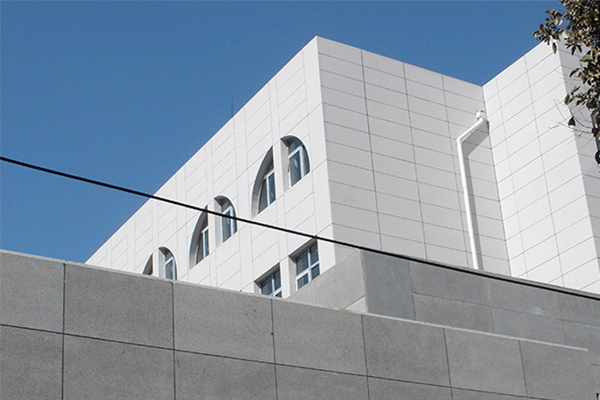
Cement fiber boards, such as integral panels, possess outstanding features including lightweight construction, high strength, thermal insulation, energy efficiency, material savings, and aesthetic appeal. Their use not only significantly enhances building functionality but also imparts a modern aesthetic to both interior and exterior designs, meeting contemporary visual standards. These panels substantially reduce the overall weight of structures. As a modern building material, they align with current architectural demands and aesthetic preferences. Cement fiber boards offer superior performance in fire resistance, heat tolerance, waterproofing and moisture resistance, thermal and acoustic insulation, as well as lightweight and high-strength properties, making them ideally suited for modern construction requirements.
(3) Key Features of Integral Panels
Creating an excellent and comfortable living environment remains a key goal that people consistently strive to achieve. Diverse and innovative building materials not only help realize the vision of varied architectural designs but also provide a solid material foundation, enabling a shift from merely "owning a house" to "enjoying a well-appointed home."
Integral panels are characterized by the following:
Minimal use of natural raw materials, particularly non-renewable resources.
Employment of low-energy production techniques and environmentally friendly manufacturing processes.
Absence of formaldehyde, halides, aromatic solvents, or pigments and additives containing mercury, nickel, chromium, and their compounds in the production process.
II. Enhancing Roof Waterproofing with Integral Panels
(1) Common Causes of Roof Leakage
Roof leakage is a critical issue that compromises the performance of this essential building component. To ensure roofs function effectively, the selection of waterproofing materials is paramount. The use of inferior materials can lead to waterproofing failures. Additionally, some construction personnel, in an effort to expedite project completion, may skip necessary steps or reduce material usage, resulting in poor waterproofing layer performance. Furthermore, some companies, while expanding rapidly, may hire inadequately trained staff—sometimes even uncertified individuals—whose substandard techniques and non-compliant operations adversely affect waterproofing quality. Certain building materials may also lack the necessary durability to withstand erosion from wind, frost, rain, and snow, or may be deficient in corrosion resistance.
(2) Improvement Methods
As a new type of building material, integral panels offer distinct advantages in corrosion resistance. They are lightweight yet high in strength, which minimizes additional load on the building structure. Therefore, selecting integral panels for roof waterproofing enhancements is a prudent choice. Their dimensional stability simplifies construction, eliminating the need for specialized personnel or heavy machinery. Analysis also indicates that using integral panels can reduce resource investment in terms of labor, materials, and costs. Moreover, these panels help protect the building's main structure, thereby extending its service life.
As an innovative and efficient building material, integral panels are poised to replace traditional options, playing a leading role in advancing industry standards. They contribute to reduced building energy consumption and enhance the longevity of structures.
Anhui huachengxing building materials technology co., LTD. ©️ disclaimer ICP17001972号
design by:www.ibw.cn

