

Contact
We will contact you as soon as possible.



A. FC Board Production
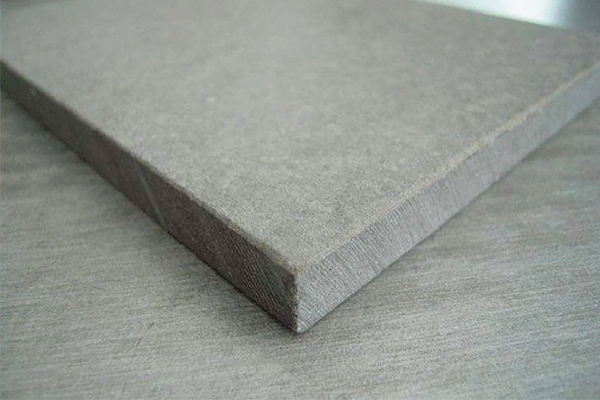
FC board is primarily made from fiber and cement, supplemented with other auxiliary materials, and produced through processes such as pulping, forming, pressing, and curing.
Fiber Materials: Mineral fiber, chrysotile, plant fiber, paper pulp, and synthetic fibers (e.g., glass fiber, vinylon).
Cement: Typically 425-grade Portland cement is used.
Auxiliary Materials: Fly ash, silica fume, and similar additives.
B. Main Applications of FC Board
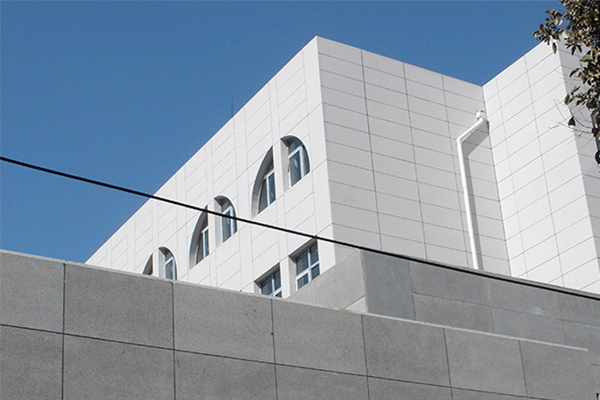
FC board is widely used for interior and exterior walls, wall cladding, floor separation, external wall hanging panels, and insulation boards.
Application examples include railway sound barriers, electrical insulation panels, and numerous high-profile projects such as the Beijing Olympic Games venues, Shanghai World Expo pavilions, grand theaters, and other national facilities.
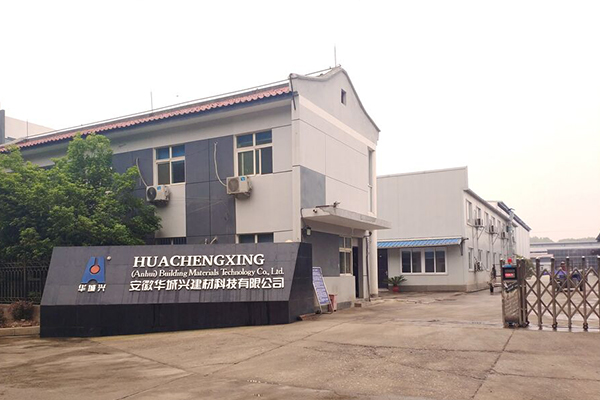
Leading domestic manufacturers of FC board include Beijing Jiude Building Materials and Kunming Huachengxing Building Materials.
C. FC Board Installation and Usage Requirements
When using FC board for wall panels, partition panels, or ceiling panels, it is suitable for installation on light steel keels, wooden keels, or similar framing systems. Due to the smooth surface of FC board, the keel base must be perfectly level to ensure a flat and aesthetically pleasing installation.
FC board must be fixed to the keel in strict accordance with construction specifications, without deviating from the prescribed installation parameters.
Use self-tapping screws to secure the FC board. Screw spacing should be 150–200 mm for ceiling panels. The distance from the screw hole center to the board edge should be:
Ceiling panels: 8–15 mm
Wall panels: 10–15 mm
Screw specifications should be selected based on the keel type and FC board thickness, as determined by the designer. Do not use screws of inappropriate size or length.
When fixing FC board to the keel, the drill bit diameter should be 0.5–1 mm smaller than the screw diameter. After installation, screw heads must be promptly primed or filled with putty to prevent rusting, which could affect the finish after painting or decorative material application.
Before painting or applying decorative materials to the FC board surface, clean any dust using sandpaper or a portable surface grinder.
Prior to installation and painting, FC boards should be pre-treated with primer or coating applied to both sides to prevent warping due to uneven stress. Primer can be applied directly to fixed boards on the wall, but white primer is recommended for optimal results.
For joint treatment, clean the seams first and then fill them with sealant, standard gypsum putty, or cement mortar as appropriate for the application. After filling, smooth the joints with a scraper and sand them to achieve a flush and even surface.
Anhui huachengxing building materials technology co., LTD. ©️ disclaimer ICP17001972号
design by:www.ibw.cn

