Comparison Between LOFT Mezzanine Floor Slabs and Traditional Building Materials
Date:2019-04-08 Views:1633
LOFT Mezzanine Floor Slabs
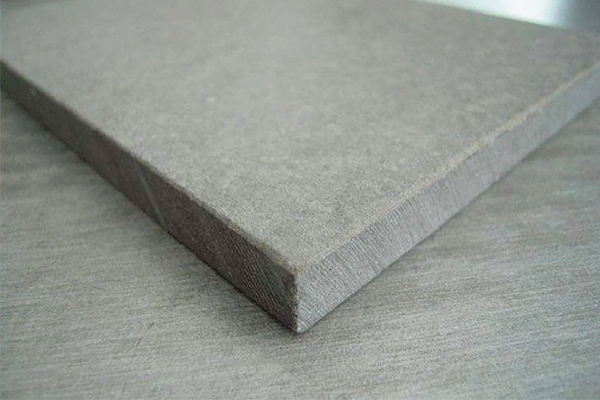
LOFT mezzanine floor slabs, also known as high-strength cement slabs for duplex spaces and interlayer floors, have become the preferred panel for light steel structure construction in commercial spaces, duplex storefronts, villa attics, home interior partitions and other similar projects.
With the rising popularity of buildings with a clear height of 5 to 6 meters that allow flexible space division, we can easily create a duplex structure by adopting light steel frameworks combined with high-strength cement slabs, turning a single-story space into two stories and effectively doubling the usable area.
Traditional floor materials such as wood planks, multi-layer composite boards and steel plates suffer from various defects (see the comparison table for details). The emergence of LOFT mezzanine floor slabs has thoroughly overcome the shortcomings of traditional floor materials, including high cost, poor fire resistance and low mechanical strength.
For the load-bearing structure, main beams can adopt hot-rolled I-beams or channel steel of different specifications, arranged transversely at a spacing of 60–80 cm according to functional requirements. Cold-formed rectangular steel tubes are used for longitudinal connection, forming a square or rectangular grid structure with a module size of 400–600 mm. The grid frame is connected to the surrounding ring beams and walls via embedded parts, expansion bolts or chemical anchor bolts. The surface is fully paved with 25 mm special high-strength LOFT cement slabs, which can be put into use directly upon completion.
If required, a wire mesh can be laid, followed by a 40–60 mm layer of lightweight ceramsite concrete to further improve thermal and sound insulation performance. Ceramic tiles or composite flooring can then be installed on the surface as a finish layer.
Compared with traditional materials, LOFT mezzanine floor slabs feature the following major advantages:
① High density and high strength, with a floor load capacity of up to 3 tons per square meter.
② Lighter self-weight compared with cast-in-place concrete slabs, reducing the structural load imposed on the building.
③ Slender profile, with a common dimension of 1200×2400×25 mm, saving valuable usable space.
④ Excellent fireproof and waterproof performance, classified as a Class A non-combustible new-type floor material.
⑤ Low thermal conductivity, delivering outstanding thermal insulation.
⑥ Exceptional sound insulation effect.
⑦ Simple and efficient construction, low overall cost, and minimal construction waste.
⑧ Service life generally exceeding 50 years.