

Contact
We will contact you as soon as possible.

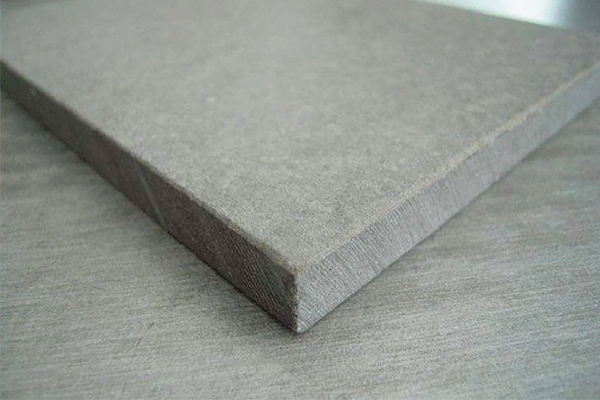


When people hear the term "woodgrain board," they often assume it's made of real wood and worry about its environmental impact—such as deforestation and harm to ecosystems. However, this is a common misunderstanding. Modern industry has come a long way, and today's practices prioritize sustainability. The name "woodgrain board" refers to its visual appearance, not its composition. In fact, woodgrain boards are typically made from fiber cement boards processed to resemble wood—often with superior performance. Below, we explain what woodgrain boards really are.
What Is a Woodgrain Board?
A woodgrain board, like those used in cabinetry, consists of a woodgrain veneer (or laminate) bonded to a substrate—usually medium-density fiberboard (MDF) or particleboard—using hot-melt adhesive under high temperature and pressure.
Woodgrain Laminate / Fireproof Board
Also known as fireproof board or high-pressure laminate (HPL), woodgrain laminate is a type of surface decorative material made from thermosetting resin-impregnated paper pressed under high pressure. It offers diverse colors and patterns, along with excellent physical properties and workability, making it widely used in interior surface decoration.
Structure
It is produced by laminating phenolic resin-impregnated paper as the core (or base) layer with melamine resin-impregnated paper as the surface layer under heat and pressure of at least 5 MPa. The outer layer features decorative colors or patterns on one or both sides.
Properties
Woodgrain laminate/fireproof board is made from base paper treated with melamine and phenolic resins, with its physical properties largely derived from these resins.
Melamine resin, once thermoset, provides high gloss, transparency, surface hardness, wear resistance, heat resistance, impact resistance, stain resistance (due to minimal surface pores), chemical resistance, water resistance, solvent resistance, flame retardancy, excellent mechanical strength, electrical insulation, arc resistance, and anti-aging properties.
Phenolic resin, after thermosetting, offers heat resistance and rigidity.
The combination of these resins results in a woodgrain board that delivers the advantages of both.
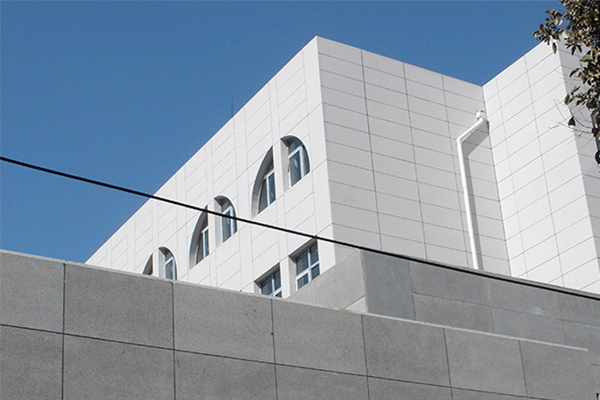
Indeed, technological progress has brought significant benefits. If solid wood were still widely used for decorative boards, forests would face severe pressure, and ecological balance would be threatened. Today, fiber cement boards with advanced coating techniques effectively replicate the appearance of woodgrain boards while offering enhanced decorative effects and environmental protection—a true win-win solution.
We hope this introduction helps you better understand woodgrain boards and their role in sustainable design.
Anhui huachengxing building materials technology co., LTD. ©️ disclaimer ICP17001972号
design by:www.ibw.cn

