

Contact
We will contact you as soon as possible.


When it comes to ceiling materials, many still prefer traditional plasterboard. However, how much do you really know about the shortcomings of plaster? In today's growing market of green and sustainable building materials, the advantages of traditional plasterboard are becoming increasingly limited.
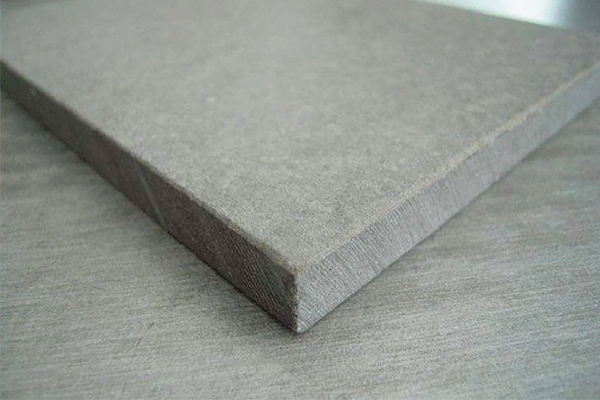
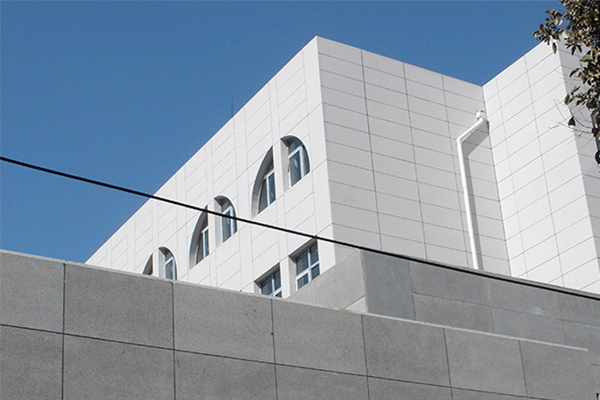
First, let’s talk about fiber cement board. This material is primarily made from high-quality, high-grade cement, reinforced with plant fibers and mineral components, and formed through mechanical autoclaving. The surface of fiber cement board is smooth and uniform in color, making it a popular choice for ceilings in large-scale industrial and prefabricated buildings.
Six Advantages of Fiber Cement Board
Fire Resistance & Insulation – Classified as non-combustible (A1 grade), fiber cement board does not easily ignite in case of fire.
Moisture & Water Resistance – Remains stable and does not warp or degrade in humid environments.
Sound Insulation – High-density structure provides excellent soundproofing properties.
Lightweight yet Strong – Easy to handle and install, yet durable and resistant to damage. It can also be easily cut and shaped.
Easy Installation – Can be cut, nailed, or riveted, simplifying construction and reducing both time and labor costs.
Long Lifespan – Resistant to insects, mold, and acids, ensuring lasting performance.
While fiber cement board is heavier and requires careful handling during installation—avoiding heavy impacts—it offers outstanding waterproofing, thermal insulation, and resistance to mold and deformation. This clearly demonstrates its advantages over traditional plasterboard.
Plasterboard, on the other hand, remains a common choice for home interiors due to its affordability and flexibility in shaping. However, its drawbacks become evident when compared directly with fiber cement board.
Anhui huachengxing building materials technology co., LTD. ©️ disclaimer ICP17001972号
design by:www.ibw.cn

