

Contact
We will contact you as soon as possible.
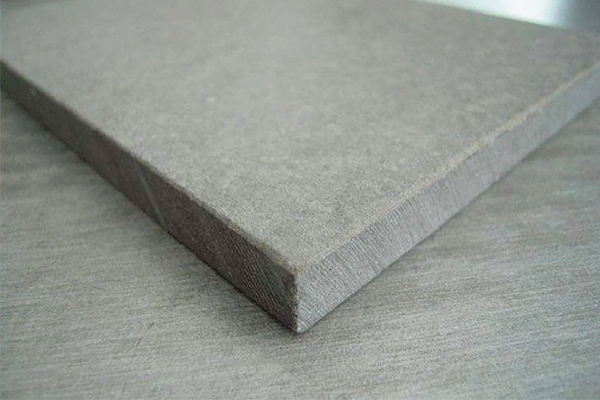
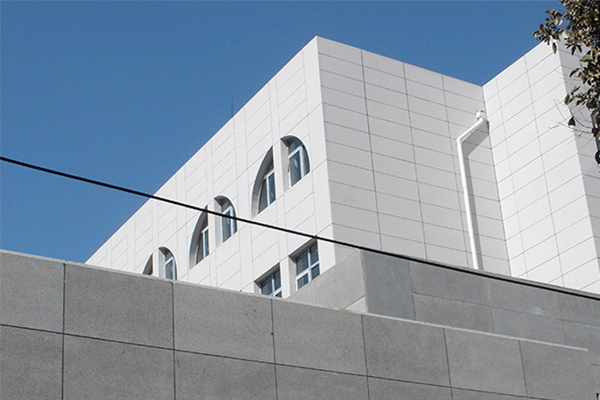


The double-surface layers of the lightweight composite energy-saving wall panels are made from 100% asbestos-free fiber-reinforced calcium silicate boards or fiber cement boards (classified as Class A inorganic non-combustible materials), which effectively improve the fire resistance of the panels. For example, in the 120mm type panel, the combination of these materials results in a fire resistance rating of over 4 hours at 1100°C. Additionally, the wall panels do not emit harmful or toxic gases even under high-temperature conditions.
 The greatest advantage of lightweight composite energy-saving wall panels is their dry and quick installation, clean construction environment, and civilized workflow, making them a truly new type of green building wall material.
Anhui huachengxing building materials technology co., LTD. ©️ disclaimer ICP17001972号
design by:www.ibw.cn

