

Contact
We will contact you as soon as possible.


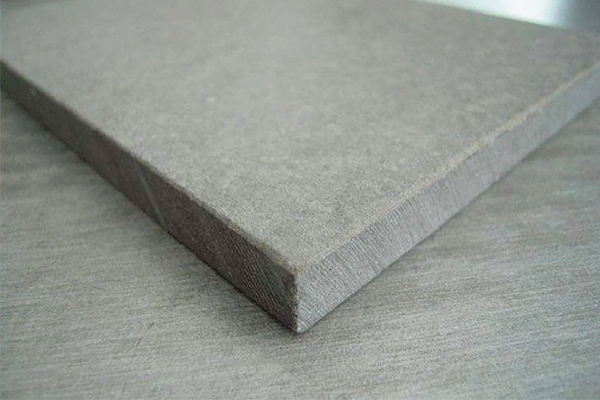
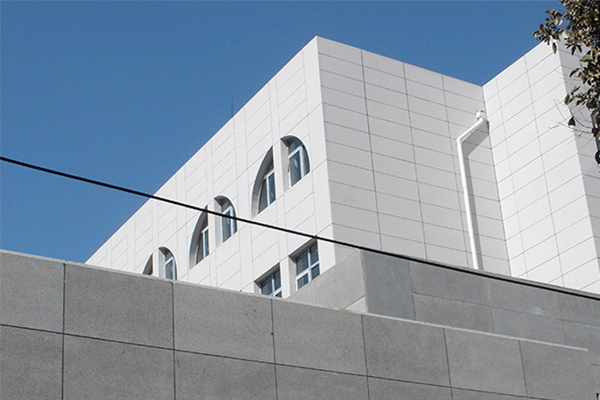


Fiber cement board is commonly used indoors, typically installed as a substrate for cement-based finishes. However, it is also suitable for exterior applications when the appropriate type and installation methods are selected. Below is an overview of its outdoor use and common external wall installation techniques.

Can Fiber Cement boards Be Used Outdoors?
Yes, they certainly can. Fiber cement boards have a long history in exterior wall construction and are now widely used in the domestic market, with broad prospects for future applications. Through appropriate processing and finishing techniques, they can achieve an aesthetically pleasing appearance—featuring clean surfaces and vibrant colors—making them well-suited for modern architectural use.
In addition to their visual appeal, fiber cement boards offer excellent thermal insulation and help block and mitigate radiation waves. Compared with ordinary glass, they provide superior shielding against ultraviolet and infrared rays. Moreover, thanks to their high light transmission and low refraction characteristics, they contribute to reducing urban "light pollution."
As a popular choice for commercial and office building exteriors, manufacturers continue to innovate by integrating advanced international technologies. Ongoing research and development aim to deliver new exterior wall products that are even more attractive, durable, high-performing, and technologically advanced—meeting the evolving demands of future architecture.

Installation Method for Exterior Wall Fiber Cement Board
1 The supporting structure for fixing the fiber cement board must be smooth and solid. Protruding fasteners, welds, or spatter resulting from welding are not permitted.
2 Wall boards should be installed only after the entire building structure has been completed.
3 For full-size boards (2440×1220 mm), fastening must begin from the center and proceed outward toward the four edges. This sequence prevents the buildup of internal stress within the board, which could otherwise lead to deformation or other adverse effects.
4 When using self‑tapping screws to secure the board:
Screw spacing on ceiling installations: 200 mm.
Screw spacing on wall installations: 300 mm at the center, 200 mm around the perimeter.
Additional fasteners should be added as required. Screw heads must be recessed 0.3 mm below the board surface. In special cases, the distance from the center of a screw hole to the board edge should not be less than 13–15 mm.
5 Apply primer to all screw heads immediately after installation.
6 Following screw fixation, take necessary measures to prevent screw‑head corrosion before proceeding to the next construction stage.
Anhui huachengxing building materials technology co., LTD. ©️ disclaimer ICP17001972号
design by:www.ibw.cn

