


Contact
We will contact you as soon as possible.

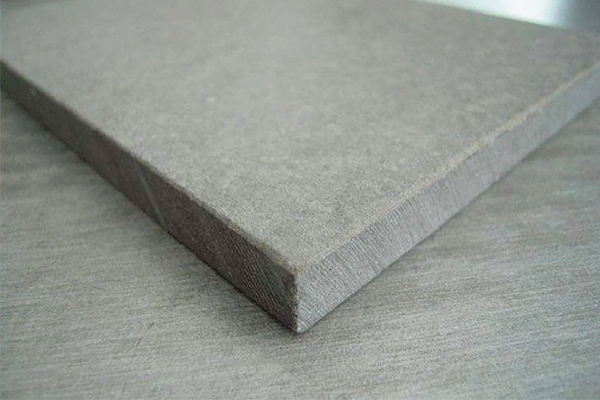



Calcium silicate board is an innovative and eco-friendly building material primarily composed of natural substances such as plant fibers and mineral fibers. It undergoes high-temperature thermal processing and drying to form a durable and sustainable product.
With high structural strength, a 6 mm thick calcium silicate board far surpasses the strength of a conventional 9.5 mm thick paper-faced gypsum board, making it an excellent alternative to traditional plasterboard. It also delivers superior thermal insulation and moisture resistance—a 10 mm thick partition wall provides better insulation than ordinary brick walls, along with effective soundproofing.
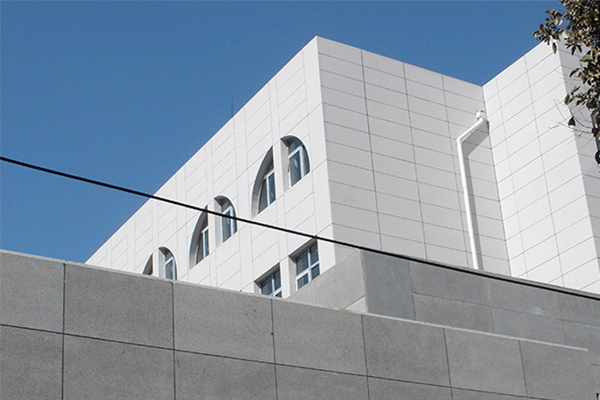
Additional advantages include waterproofing, lightweight construction, high strength, corrosion resistance, and protection against insects and termites. It is an ideal material for a wide range of architectural and decorative applications.
The production processes of reinforced fiber cement boards and fiber-reinforced calcium silicate boards are generally similar, but they differ in the raw materials used. Due to the difference in materials, the hardening reaction mechanisms vary, leading to distinct final products.
Different manufacturing processes also impose different requirements on raw materials. For example, natural curing and autoclave curing show clear differences in the selection of cementitious materials. Products cured naturally must use cement as the main binder, relying on cement hydration reactions to develop strength. This typically involves room-temperature moisture retention hardening or steam-accelerated hardening for several hours, followed by continued curing at room temperature with moisture control.
In contrast, autoclave-cured products can achieve strength through cement hydration combined with quartz powder, where calcium oxide—generated during cement hydration—reacts chemically under high temperature and pressure to enhance strength. Alternatively, hardening can be achieved via a hydrothermal synthesis reaction using saturated steam, with lime and quartz serving as the primary base materials.
For naturally cured products, the cementitious materials primarily consist of cement of various grades, with the possible addition of a small amount of ultra-fine quartz. The main reaction products are calcium silicate hydrates. In contrast, for autoclave-cured products, the cementitious materials include calcium oxide or Ca(OH)₂ along with silica. These calcium-based and silica-based materials together form a calcium silicate cementitious system, with tobermorite being the principal reaction product.
In other words, cement itself is a type of calcium silicate cementitious material that contains both calcium and silica components. It possesses inherent binding properties and hardens to form cement stone. On the other hand, calcium oxide and Ca(OH)₂ only provide the calcium component and must react with silica—acting as the silica source—under saturated steam pressure through a hydrothermal synthesis process to generate a cementitious product.

Anhui huachengxing building materials technology co., LTD. ©️ disclaimer ICP17001972号
design by:www.ibw.cn

