

Contact
We will contact you as soon as possible.



In the realm of contemporary building materials, LOFT steel structure flooring has established a significant position, often emerging as a decisive choice in construction applications. However, with the discovery of superior materials and the integration of new technologies, the field has given rise to a new generation of innovations. These advancements boast broad development prospects and pose considerable challenges to manufacturers of LOFT steel structure flooring.
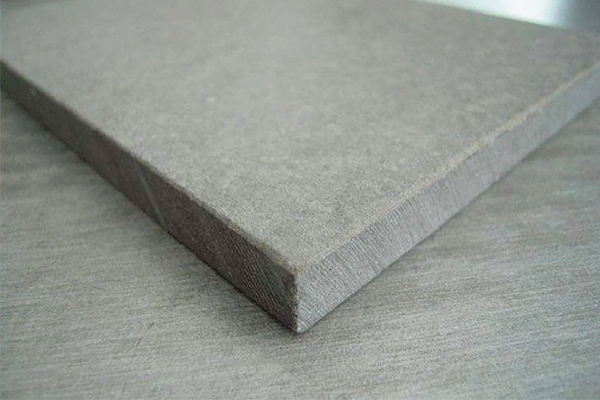
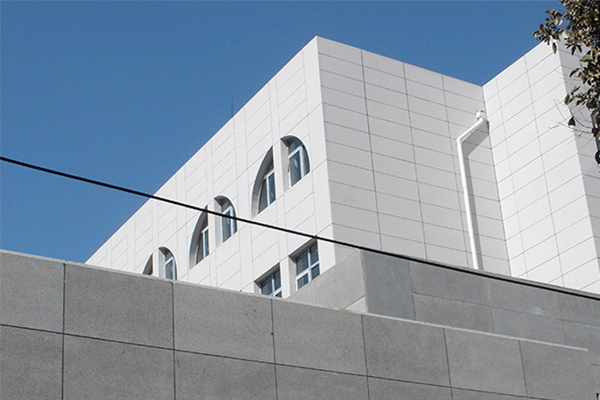
LOFT steel structure flooring is widely recognized as a thin, lightweight building panel. Thanks to its versatility, the product is used in roofing materials, wall cladding, and interior wall lining. The durability of fiber cement under various climatic and weather conditions is globally acknowledged. Continuous improvements in product design and manufacturing keep pace with modern demands, ensuring its leading position as a primary building material.
Compared to the rapid market growth of wooden planks and cast-in-place concrete flooring in previous years, the current market has become relatively subdued. Earlier mezzanine designs typically involved laying wooden boards, such as particleboard or pine planks, over steel structures. However, such designs suffered from drawbacks like poor sound insulation, lack of water and fire resistance, susceptibility to corrosion and pests, low load-bearing capacity, short service life, and high maintenance rates. LOFT steel structure flooring has now gained recognition as a new architectural style among many users. Compared to traditional attic structures, steel structure lofts can better cater to diverse user needs for loft spaces, offering flexible designs and versatile interior layout options.
Advantages of LOFT Steel Structure Flooring
LOFT steel structure flooring is a next-generation product developed using the latest raw materials and formulations, serving as an upgraded alternative to high-density fiber cement flooring in the domestic market. It addresses the shortcomings of previous products, such as susceptibility to warping, water absorption, swelling, and delamination.
Higher Strength
Lower Moisture Expansion Rate
Enhanced Impact Resistance
Greater Load-Bearing Capacity
Improved Environmental Safety
Applications of LOFT Steel Structure Flooring
LOFT steel structure flooring is categorized into chrysotile-based high-density fiber cement boards and non-asbestos fiber cement boards, with the following distinctions:
LOFT Chrysotile High-Density Fiber Cement Board:
Composed primarily of fibers (chrysotile asbestos), cement (Portland cement), silica powder, and additional materials, this building cement board is manufactured using specialized production processes. It undergoes pulping, sheet forming, compression under a 10,000-ton press, and a four-stage curing procedure.
LOFT Non-Asbestos Cement Board:
Made from virgin wood pulp and high-grade cement, this building cement board is produced through pulping, sheet forming, compression under a 10,000-ton press, and a four-stage curing procedure.
Anhui huachengxing building materials technology co., LTD. ©️ disclaimer ICP17001972号
design by:www.ibw.cn

