LOFT Floor Slabs: Controlling Construction Costs
Date:2019-04-08 Views:1610
With the continuous advancement of architectural design and the constant upgrading of interior decoration, it is essential to refine every detail to meet market demands and promote the scientific development of the construction industry. An integrated approach to architectural design and interior decoration should be adopted from the initial design stage, taking full account of their close correlation. This integration not only highlights distinctive features in buildings but also maximizes their functional value.
As social division of labor becomes increasingly specialized, architectural design and interior decoration have gradually become separate disciplines in the construction sector. During interior decoration, in particular, construction works are often damaged arbitrarily. Decorators carry out renovations solely based on decorative concepts, without giving due consideration to the original building structure. Consequently, such damage shortens the service life of buildings, leads to material waste, and consumes substantial human, material and financial resources. Furthermore, unscientific designs by decorators that disregard the inherent structural characteristics of buildings may even trigger building collapse incidents, posing severe threats to human life. In addition, inadequate consideration of basic functional requirements in architectural design creates numerous obstacles for subsequent interior decoration, resulting in extensive modifications during the decoration process due to irrational preliminary designs.
With the progress of the times, public aesthetic standards have been continuously elevated. Many residents grow dissatisfied with the original decoration materials and choose to demolish and renovate their spaces, which directly causes material waste. Beyond aesthetic demands, unreasonable spatial design fails to meet daily living needs, prompting the demolition of partial walls. Inadequate water and electrical circuit designs also necessitate material repurchases and retrofits. All these factors contribute to massive material waste during secondary decoration.
The root cause of the aforementioned material waste lies in the poor secondary decoration compatibility of conventional building materials, which renders them unsuitable for reuse and leads to substantial losses. Therefore, selecting high-performance building panels that support secondary decoration can fundamentally conserve resources and reduce costs for both construction projects and property owners.
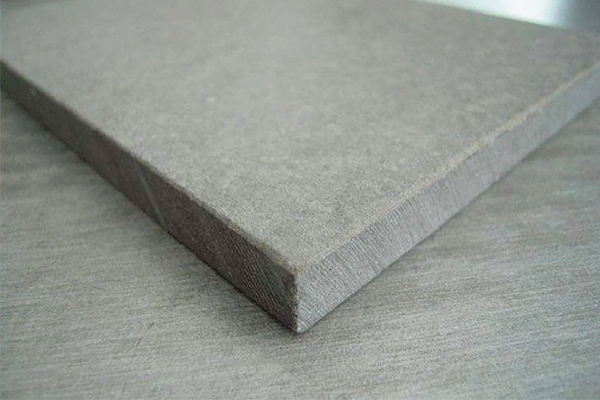
LOFT floor slabs are a new type of green building panel developed by Beijing Huacheng Jiude Building Materials Co., Ltd. They are manufactured using high-toughness fibers and high-grade cement as primary raw materials, supplemented by siliceous and other relevant flame-retardant additives.
Reinforced fiber cement pressure boards boast a wide range of applications, including:
-
Interior and exterior walls, suspended ceilings, roofs and ventilation ducts of buildings;
-
Sound-absorbing panels and fire-resistant partition panels for gymnasiums, theaters and conference rooms;
-
Sound insulation barriers for high-speed railways, electrical insulation boards, curtain wall liners, and composite wall panels;
-
Outdoor billboards, metallurgical and electric furnace insulation boards, electrical distribution cabinet panels, transformer partition boards;
-
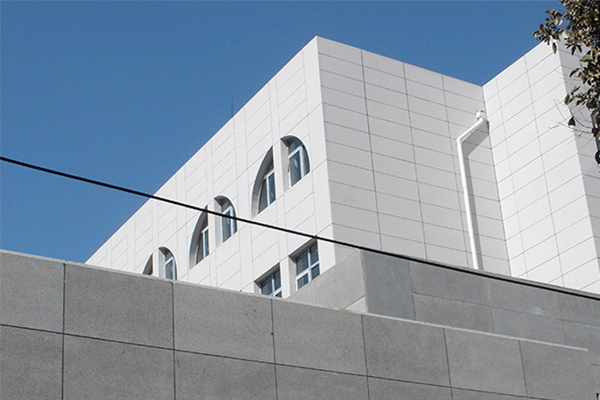
Exterior insulation wall panels, exterior wall cladding panels, substrates for exterior wall coating boards, integrated insulation substrates, as well as other fields across the construction industry.
When it comes to reinforced fiber cement pressure boards, their exceptional secondary decoration performance stands out as a core advantage. Building materials that cannot be reused or adapted for secondary decoration hold little practical value in the modern construction industry. Thanks to their outstanding secondary decoration compatibility, reinforced fiber cement pressure boards have gained wide popularity among construction professionals. They are among the few building materials that integrate superior functionality, aesthetic appeal and excellent secondary decoration performance.
These boards can be processed flexibly according to actual project requirements: they support sawing, drilling, carving, nailing, painting, as well as the attachment of ceramic tiles, wall coverings and other finishing materials.